
4,362 building stones recorded across Britain
Three billion years
of geology, at street level.
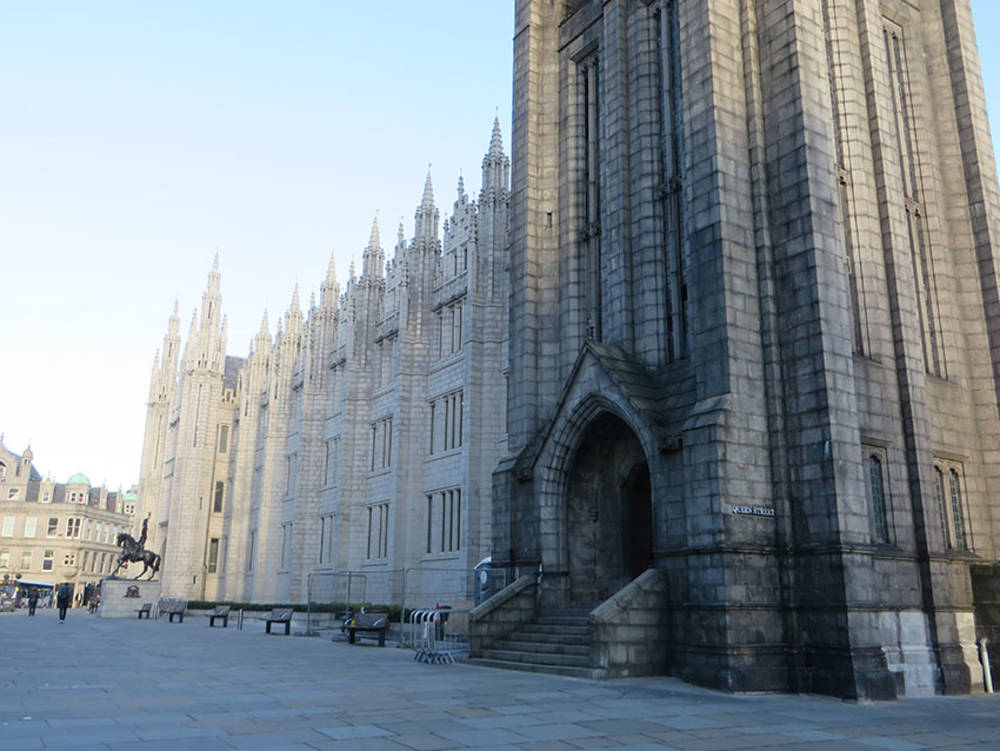
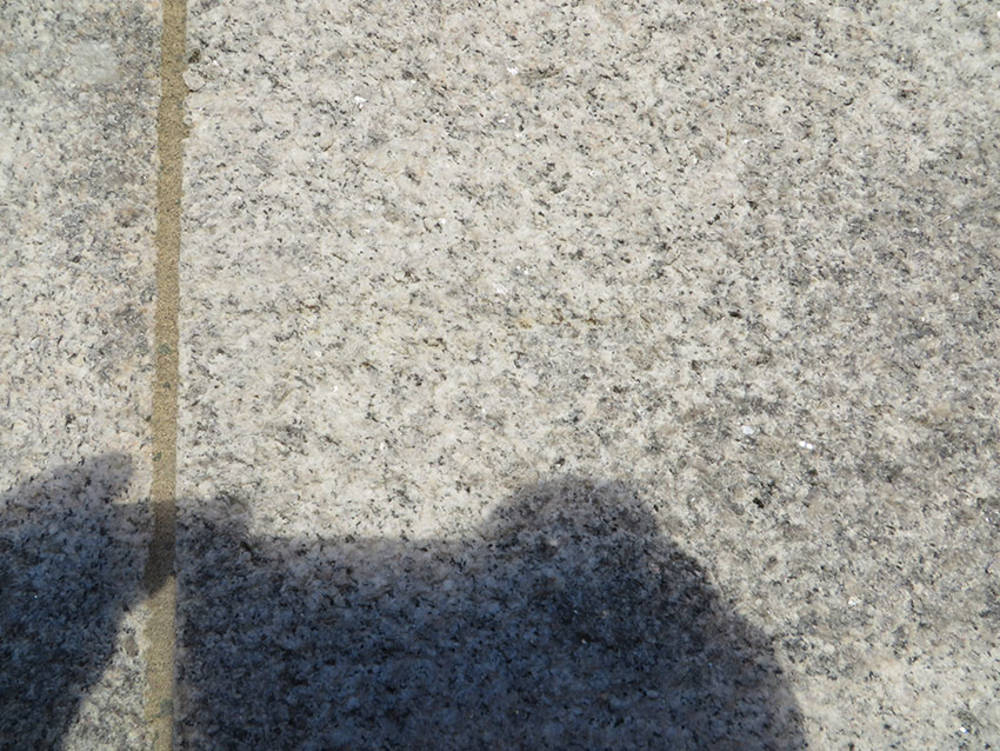
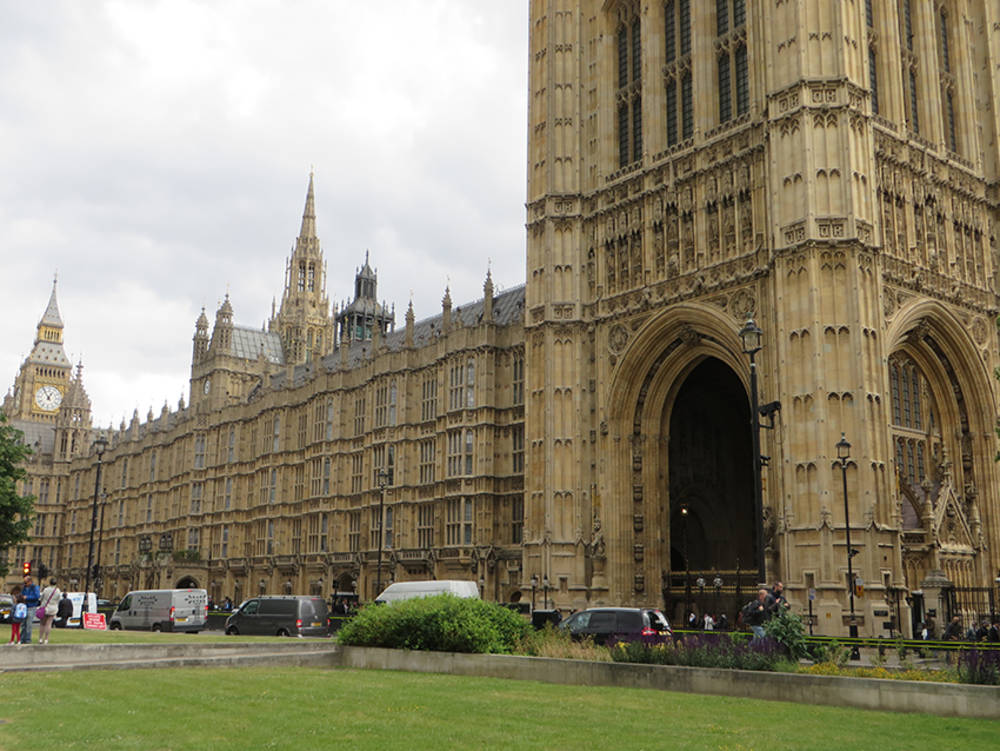
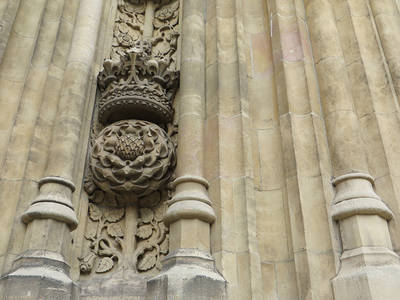
Every wall, column and cathedral step in Britain came out of the ground somewhere. We have mapped 4,362 of them. One is a Bromley street monument cut from Lewisian gneiss, the oldest rock in Britain.
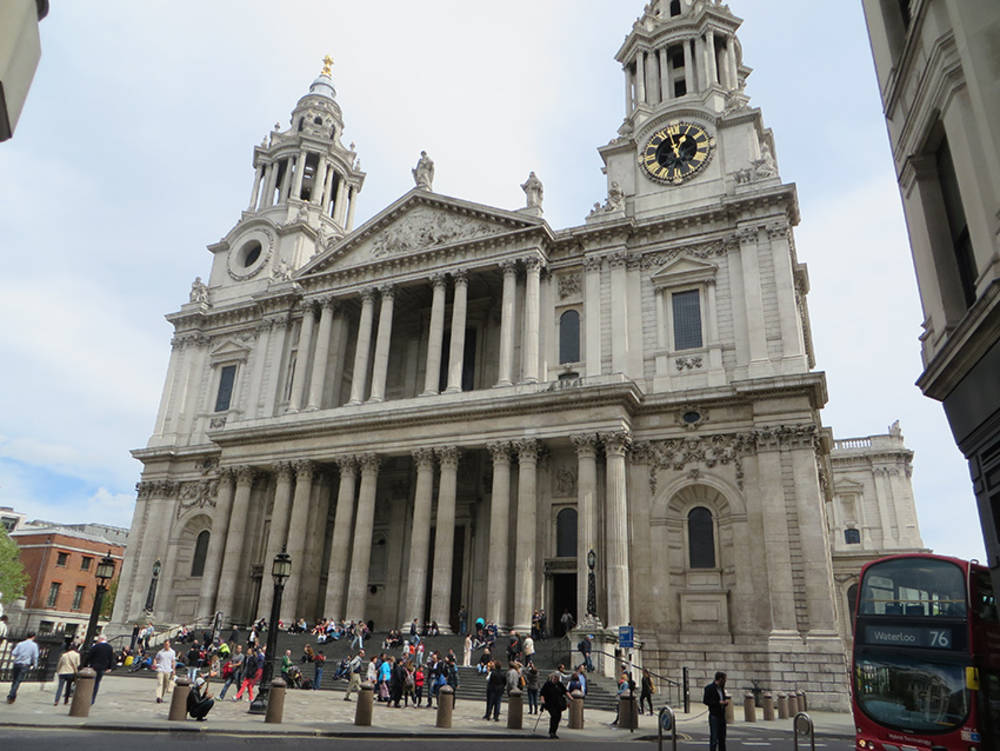
 the stone
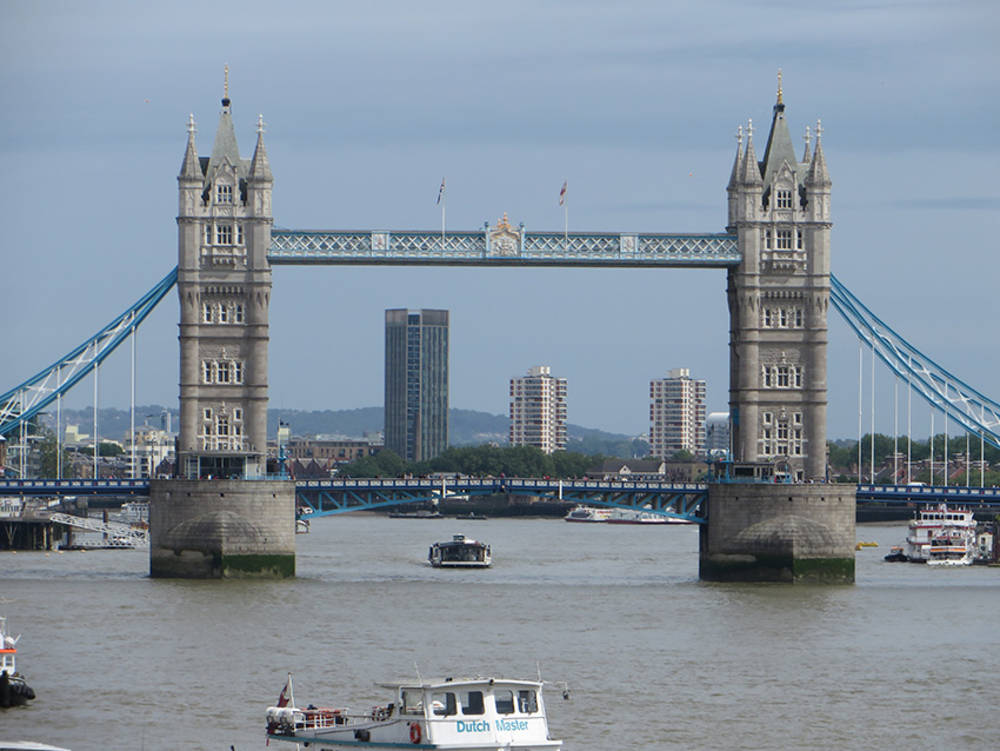
 the stone
 the stone
 the stone
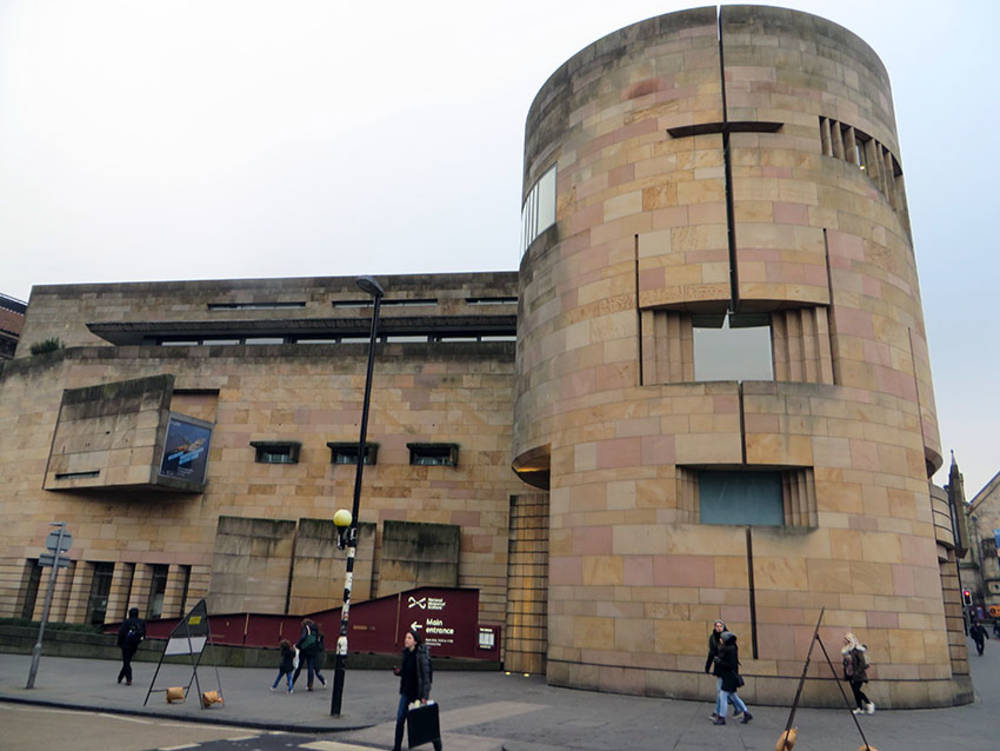
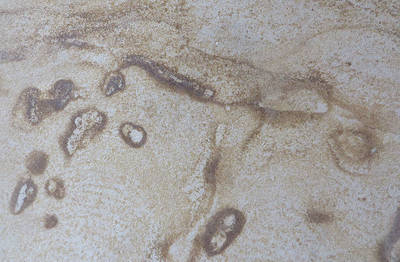 the stone
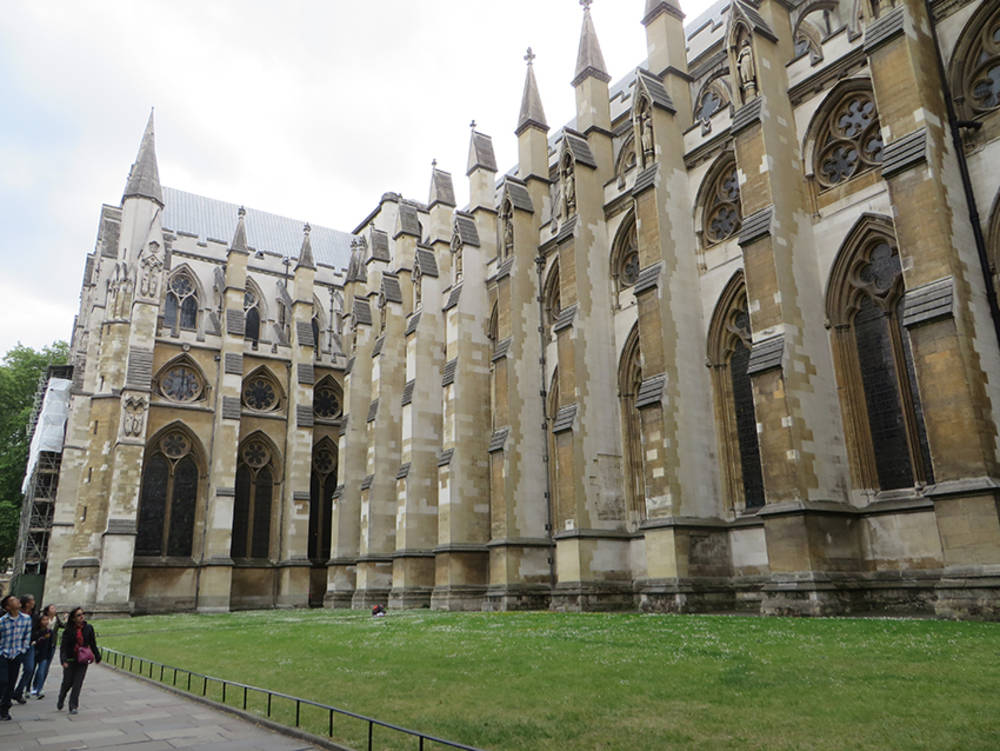
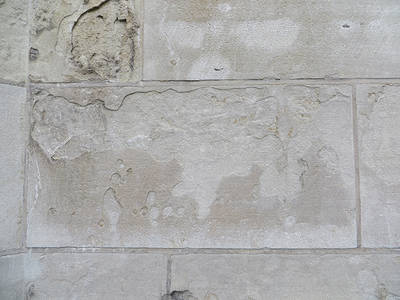 the stone
Where would you like to start?
The collection works at very different speeds.
Go back a few hundred million years
Whatever street you are on, there is probably stone within a few minutes of you that was once a tropical seabed, a desert dune or molten rock. Have a look before you carry on.
Your location is used once, to sort the list. It is not stored.
No matter. Start from a place instead.
Researching
- 4,362georeferenced records
- 164named stone types
- 2,832buildings and places
- 87published sources cited
Walk through deep time
Britain's building stones run from Precambrian granite to rock laid down long after the dinosaurs. Each era below opens its most-recorded stone.
oldest → youngest · not to scale each tile searches the collection for that era's most-recorded stone
Browse by where you are
The places the survey has covered most closely, by nearest station.
The far ends of the collection
Ardvreck Castle
A ruined keep on Loch Assynt, Sutherland. Three records here.
Southernmost · 49.97°NTregullas Farm Shop
Near the Lizard, Cornwall. Two records here.
Oldest · ArchaeanBromley Millennium Rock
Lewisian gneiss, the oldest rock in Britain, in a south London street. Nineteen separate records here.
Spotted something we have missed?
Every record here came from someone stopping to look. Submit yours in two minutes.